
Collection: The Best Bluetooth Headphones Price in Kenya

-
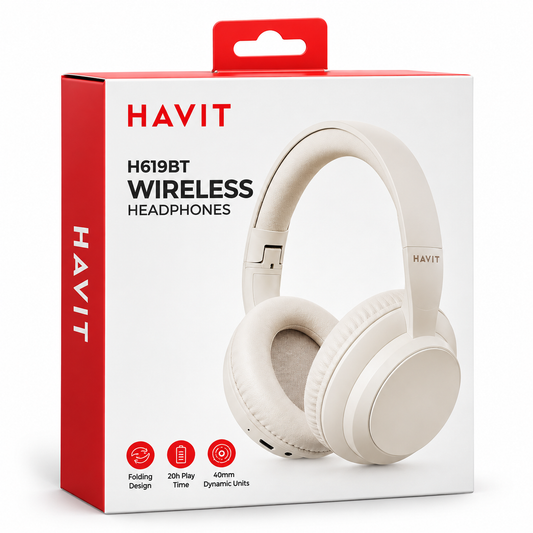
Havit H619BT Bluetooth Headphones 20Hr PlayTime
Regular price KSh2,699.00Regular priceUnit price perKSh3,999.00Sale price KSh2,699.00Sale -
Oraimo BoomPop Lite ENC Headphones 65-Hour Playtime
Regular price KSh2,999.00Regular priceUnit price perKSh3,999.00Sale price KSh2,999.00Sale -
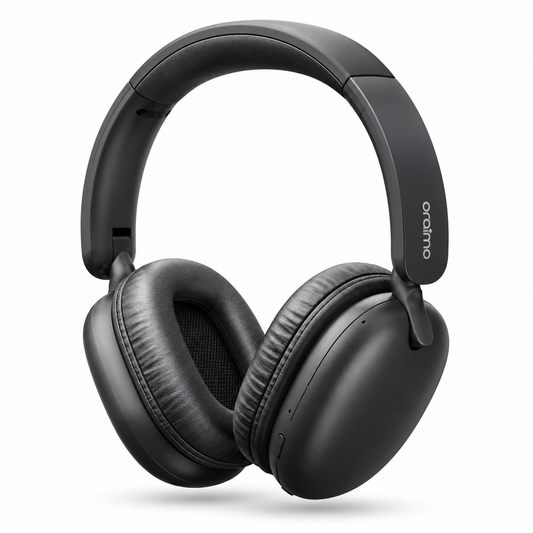
oraimo Bloom Pop Pro Headphones Price in Kenya
Regular price KSh6,399.00Regular priceUnit price perKSh9,000.00Sale price KSh6,399.00Sale



Find Your Sound. Don't Overpay for It.
Not all bluetooth headphones are built the same — and in Kenya's electronics market, that gap hits your wallet first and your ears second. Counterfeit pairs look identical in listing photos. Same packaging, same branding, same spec sheet. The difference surfaces when the battery dies in two weeks or the audio cuts out mid-call.
At Mi Home Kenya, we've done the filtering for you. This collection brings together a carefully selected range of over-ear bluetooth headphones — sourced through authorized channels, sold with official warranties, and backed by a physical store you can actually walk into. Whether you're buying your first pair or replacing something that let you down, this guide covers everything you need to make the right decision.
What Actually Matters in a Bluetooth Headphone
Before you pick a model, here's a breakdown of the specs that genuinely affect your day-to-day experience — in plain language, not manufacturer jargon.
1. Battery Life
Wireless bluetooth headphones live or die by their battery. A pair that dies mid-commute or mid-meeting is just expensive dead weight. Look for 30+ hours of playback as a realistic baseline for daily use. The higher up the range you go, the longer the battery tends to hold — some premium pairs push well beyond 40 hours on a single charge. For the average Nairobi commuter using headphones 2–3 hours daily, anything above 30 hours means charging roughly every 2–3 days.
2. Sound Quality — What the Numbers Mean
"Premium audio" is a phrase every headphone box uses. Here's what it actually breaks down to:
- Bass: The low end — kick drums, bass guitars, sub frequencies. If hip-hop, R&B, or EDM is your primary diet, bass response matters more to you than it will to a podcast listener.
- Mids: Vocals, guitars, spoken word. Most human hearing lives here. Strong midrange = clear, natural-sounding music and intelligible speech.
- Treble: Cymbals, high notes, the "air" in a recording. Too much causes listening fatigue within an hour. Too little and everything sounds thick and muffled.
Quality bluetooth headphones balance all three. Cheap ones usually spike the bass to impress you in a 30-second demo — then disappoint you for the next two years.
3. Microphone Performance
A bluetooth headphone with mic is no longer optional for most buyers. WhatsApp calls, Teams meetings, Google Meet, client calls on the move — your microphone quality tells the other person whether you're prepared or unprepared. What separates a good built-in mic from a frustrating one: noise-reduction capability, sensitivity that picks up your voice clearly, and placement that doesn't amplify everything in the room behind you. If call quality is a priority, check whether the headphone specifies CVC (Clear Voice Capture) or similar noise-reduction technology before you buy.
4. Comfort for Extended Wear
Over-ear headphones cup your ears rather than sitting on them — and that distinction matters for long wear. The advantages are clear: better passive noise isolation and significantly more comfort over multi-hour sessions. Key things to assess before buying: an adjustable headband, soft ear cushion material (memory foam or breathable protein leather are best), and overall weight. A headphone that becomes uncomfortable after 90 minutes defeats the point.
5. Bluetooth Version
Bluetooth 5.0 and above gives you a more stable wireless connection, lower audio latency, and reliable range — typically 10+ metres even through walls and obstacles. Older Bluetooth 4.x versions work fine for casual listening but can stutter in congested wireless environments like open-plan offices or packed public spaces. If you're using headphones for video or gaming, latency matters — stick to Bluetooth 5.0 or higher.
Bluetooth Headphones Price in Kenya: What Your Budget Gets You
The bluetooth headphones price in Kenya varies more than it should — because the market is split between genuine, warranted products and cheaper grey-market imports sold with no recourse if something goes wrong. Here's an honest breakdown of what each price tier realistically delivers:
Under KSh 3,000 — Entry Level
Expect solid wireless bluetooth headphones with decent battery life, a functional bluetooth headphone with mic, and reliable Bluetooth connectivity. Not audiophile-grade, but absolutely fit for everyday purpose.
Ideal for students, commuters, and general listeners who don't need advanced features. The key at this price point is buying genuine — a KSh 2,500 counterfeit and a KSh 2,500 authentic product are worlds apart in actual performance.
KSh 3,000 – KSh 5,000 — Mid-Range
Build quality steps up noticeably here. Larger drivers, more refined sound signatures, better bluetooth headphone with mic performance for professional calls, and stronger overall durability. This is the sweet spot for professionals who use headphones heavily throughout the workday and need reliability across both music and calls.
Above KSh 5,000 — Premium
Here is where features like multi-point pairing (connecting to two devices simultaneously), active noise cancellation, premium materials, and richer soundstages enter the picture.
The bluetooth headphones price in Kenya at this tier is justified by a measurable jump in audio performance and daily convenience — particularly for buyers who move between a phone and laptop constantly throughout the day.
Why Buy Your Bluetooth Headphones From Mi Home Kenya?
Short answer: because what you see is what you get.
Every pair of bluetooth headphones we stock is sourced through authorized distribution channels. Every product comes with an official manufacturer's warranty. And if something goes wrong — a genuine defect, a malfunction, a real issue — we handle it in person, at our store. Not through email threads that go unanswered. Not a refund process that drags for three weeks. Actual resolution.
We've been operating at Sasa Mall, Moi Avenue since day one, and our customers come back — not just for new products, but because the experience after the sale is as dependable as the products themselves. There is a face behind every transaction here. A physical store you can walk into. Real people who stand behind what they sell.
That matters — especially in a market where a significant portion of wireless bluetooth headphones sold online are not what they claim to be.
Store Location: Shop G12, Ground Floor, Sasa Mall, Moi Avenue, Nairobi Call or WhatsApp: 0768273417 / 0706866970 Email: mihomeke1@gmail.com
Common Headphone Buyer Concerns — Answered Honestly
"I've ordered bluetooth headphones online before and they were fake." This is one of the most common stories we hear. Counterfeit bluetooth headphones are near-indistinguishable from genuine ones in photos — same branding, same box design, similar specs on paper. The difference shows in audio fidelity, battery degradation after 20–30 charge cycles, and build quality that starts failing within weeks. At Mi Home Kenya, every unit is traceable to a verified supply chain with warranty documentation you can check.
"How do I know the bluetooth headphones price in Kenya I'm seeing is fair?" Cross-reference. Check the manufacturer's recommended retail price (RRP), look at whether the listing includes an official warranty, and factor in who you're actually buying from. A KSh 500 saving from a seller with no physical address and no returns policy isn't a saving — it's a gamble. Our prices reflect genuine product, warranty coverage, and real after-sales accountability.
"I don't know which model is right for me." Come into the store. We'll walk you through the options without a sales script, let you compare models side by side, and match you to the right wireless bluetooth headphone based on how you actually use one — not the most expensive pair on the shelf.
Bluetooth Headphones in Kenya Frequently Asked Questions
1. What is a fair bluetooth headphones price in Kenya for everyday use?
For commuting, casual listening, and daily calls, you don't need to spend more than KSh 3,000 to get a genuinely good experience. A solid wireless bluetooth headphone in this range should give you 30+ hours of playtime, a reliable built-in mic, and Bluetooth 5.0 connectivity. If your budget stretches to KSh 3,500–4,000, you'll see a real step up in build quality, audio refinement, and call performance — worth it if you use your headphones heavily throughout the day.
2. What's the difference between over-ear and on-ear bluetooth headphones?
Over-ear bluetooth headphones fully cup your ears — this delivers better passive noise isolation, more comfort during extended wear, and typically a fuller, more immersive bass response. On-ear headphones rest on top of the ear rather than around it — slightly more compact and lighter, but noticeably less isolating. For long listening sessions, noisy commutes, or hours at a desk, over-ear is the stronger choice for most people.
3. Do bluetooth headphones with mic work well for calls in Kenya?
Yes — with the right pair. Every wireless bluetooth headphone in this collection includes a built-in microphone, and they handle standard phone calls, WhatsApp, and video conferencing reliably. For cleaner call quality — particularly in noisy environments like matatus or busy offices — look for headphones that specify noise-reduction or CVC microphone technology. It makes a meaningful difference to the person on the and ambient temperature — affects this. For someone using their headphones 4–5 hours daily, most genuine pairs in this collection will need a charge every 2–5 days. other end of the call.
4. How long does a bluetooth headphone battery typically last?
Battery life across quality over-ear bluetooth headphones generally ranges from 30 to 60+ hours depending on the model and tier. Real-world usage — volume level, call frequency, Always check the spec sheet rather than relying on round-number marketing claims.
5. Can I use bluetooth headphones with both my phone and laptop at the same time?
Most standard bluetooth headphones pair with one device at a time. Switching takes about five seconds — disconnect from one device, connect to the other. However, some mid-range and premium models support multi-point pairing, which keeps you simultaneously connected to two devices and switches automatically when one starts playing audio. If you move frequently between a phone and a laptop throughout your workday, multi-point support is a feature worth specifically looking for when choosing your pair.